
Mahle FluidPRO VCX-1 Two Tube Vacuum Coolant Exchanger
$2,720.00
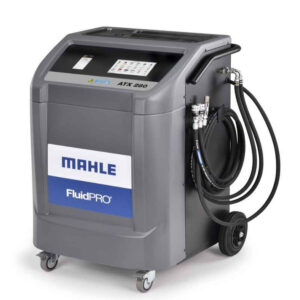
Mahle FluidPRO VCX-1 Two Tube Vacuum Coolant Exchanger FluidPRO equipment from MAHLE Service Solutions offers a range of choices in fluid exchange equipment. The FluidPRO® VCX-1 includes a Venturi vacuum generator that yields fast service times of 5-15 minutes, increasing customer satisfaction. And
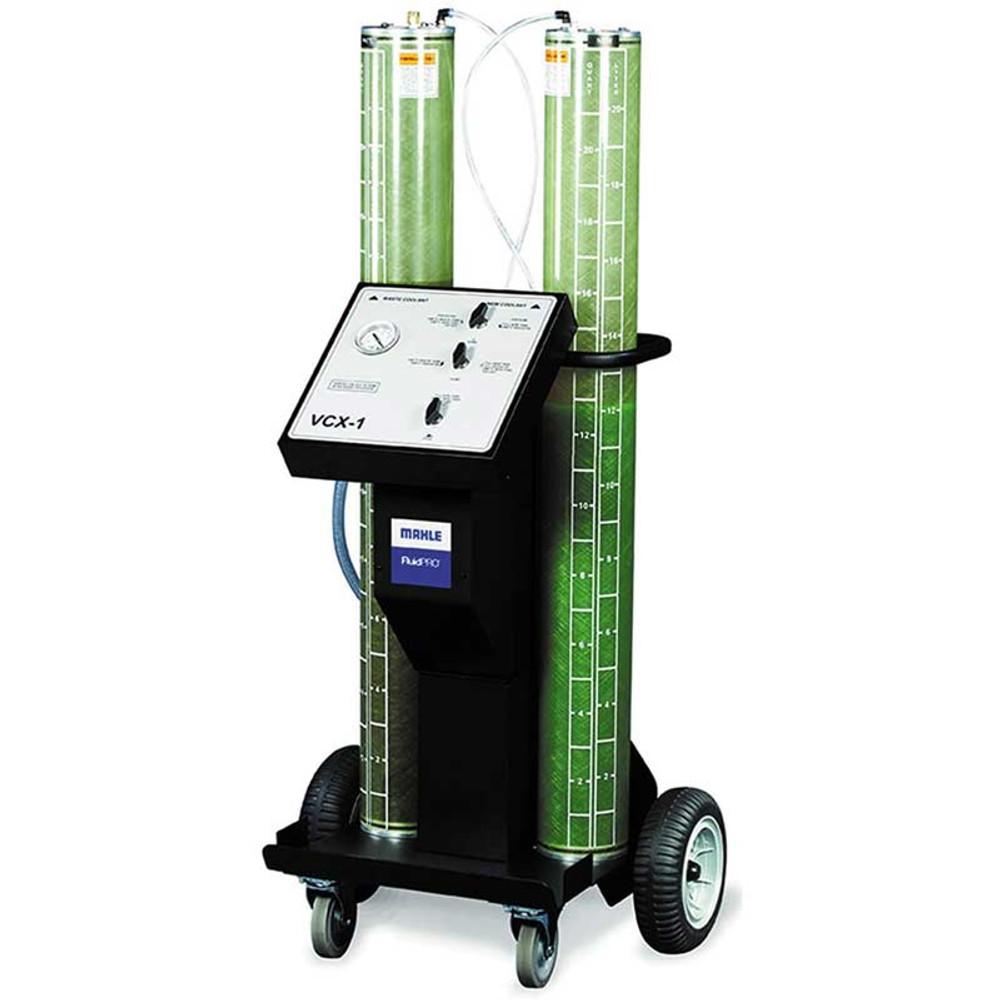
The Mahle FluidPRO VCX-1 is a two tube vacuum coolant exchanger powered by shop air. It uses a venturi vacuum generator that pulls up to 28 inHg to remove old coolant and draw in new coolant, with fast service cycles of 5 to 15 minutes. Two transparent, large-capacity 20-quart cylinders let technicians see the old and new fluid, and color-coded ball valves make the process easy to control. A vacuum gauge, a pressure relief valve on the waste cylinder, and a no-leak end cap design round out a simple, efficient machine.
This guide covers the VCX-1 specifications, how vacuum coolant exchange works, setup, maintenance, and common questions. If you want shop equipment that makes coolant service quick and clean, the VCX-1 is worth a look.
Mahle FluidPRO VCX-1 Two Tube Vacuum Coolant Exchanger
Features of the VCX-1:
Two transparent, large capacity cylinders; one for new coolant and one for waste
Color-coded function valve for easy control Easy coolant selection/changeover for flexible adaptation of most vehicles
Fast service cycles of 5-15 minutes for increased productivity
Vacuum gauge for complete exchange efficiency
Pressure relief valve on waste fluid cylinder for increased safety
No-leak end cap design to reduce coolant waste
Powered by shop air for convenience
Mahle VCX-1 Specifications
- Coolant cylinders: 20 quarts (18.9 liters) each, transparent
- Fluid types: any coolant type, with fast, easy changeover
- New fluid pump: venturi vacuum generator, 28 inHg (0.95 bar) maximum
- Power source: shop air, 55 to 110 psi (3.8 to 7.6 bar)
- Controls: ball valves with color-match system
- Hoses: clear, wire reinforced, 10 ft. (3 m)
- Adapters: 2 cone plugs and an 8 in. (20 cm) hose adapter
- Service cycle: 5 to 15 minutes
- Dimensions (H x W x D): 63 in. x 28 in. x 22.5 in. (160 cm x 71 cm x 57 cm)
- Weight: 166 lbs. (75 kg)
Key Features of the VCX-1
Two Transparent Cylinders
The VCX-1 uses two transparent, large-capacity cylinders, each holding 20 quarts, for new and waste coolant. Clear cylinders let technicians see how much fluid has been removed and added, and they make it easy to spot dirty or contaminated coolant to show customers.
Color-Coded Function Valves
Ball valves with a color-match system make control simple. Each valve is color-coded to its function, so technicians can follow the process at a glance.
Easy Coolant Changeover
The VCX-1 works with any coolant type and allows fast, easy changeover, so it adapts to most vehicles.
Fast Service Cycles
Service cycles take 5 to 15 minutes, helping technicians complete coolant jobs quickly and keep bays productive.
Vacuum Gauge
A vacuum gauge helps the technician confirm the system is under vacuum for a complete, efficient exchange.
Pressure Relief Valve
A pressure relief valve on the waste fluid cylinder adds safety during operation.
No-Leak End Cap Design
The no-leak end cap design helps reduce coolant waste and keeps the work area cleaner.
Powered by Shop Air
The VCX-1 runs on shop air at 55 to 110 psi. It needs no electrical connection, so it can be used anywhere an air line is available.
Why Coolant Service Matters
Engine coolant does more than keep an engine from overheating. It also protects against freezing and helps prevent corrosion inside the radiator, water pump, heater core, and engine passages. Over time, coolant breaks down and loses its protective additives. Old coolant can lead to corrosion, scale, and overheating.
Vehicle makers recommend replacing coolant at set intervals. A coolant exchanger like the VCX-1 replaces old coolant more completely than a simple drain and fill, because it moves fluid through the whole system rather than only draining what is in the radiator.
How Vacuum Coolant Exchange Works
Vacuum coolant exchange uses negative pressure to move fluid. When shop air flows through the VCX-1’s venturi vacuum generator, it creates a vacuum of up to 28 inHg. That vacuum pulls old coolant out of the vehicle’s cooling system and into the waste cylinder. Once the old coolant is removed, the vacuum can be used to draw new coolant from the new coolant cylinder into the system.
Pulling a vacuum on the cooling system also helps reduce trapped air pockets, which can make refilling more complete. The vacuum gauge lets the technician watch the process. The cone plugs and 8-inch hose adapter help connect the machine to the vehicle, and the 10-foot clear, wire-reinforced hoses give plenty of reach.
Always follow the Mahle operating manual and the vehicle maker’s procedures for coolant type, bleeding, and final fill level.
Coolant Exchange vs. Drain and Fill
A basic drain and fill only removes the coolant that drains out of the radiator. A large share of the old coolant stays in the engine block, heater core, and hoses, where it mixes with the new fluid. The result is diluted coolant that may not give full protection.
An exchange machine like the VCX-1 moves fluid through the whole cooling system. Old coolant is pulled out while new coolant goes in, so more of the old fluid is replaced. Customers get better protection, and the shop gets a faster, cleaner process with less mess on the floor.
Setting Up the VCX-1
The VCX-1 stands 63 inches tall, 28 inches wide, and 22.5 inches deep, and weighs 166 lbs. Place it near your service bays where an air drop is available. Connect it to shop air at 55 to 110 psi using a hose and fitting that deliver steady pressure. Use a water separator so moisture does not reach the venturi.
Fill the new coolant cylinder with the correct coolant for the next job, and make sure the waste cylinder is empty. Keep the cone plugs and hose adapter stored with the machine.

Step-by-Step: A Typical Vacuum Exchange
- Confirm the correct coolant type for the vehicle and fill the new coolant cylinder.
- Make sure the waste cylinder has room for the old coolant.
- Let a hot engine cool before opening the cooling system.
- Connect the VCX-1 to the vehicle using the cone plugs or hose adapter.
- Connect shop air at 55 to 110 psi.
- Use the color-coded valves to apply vacuum and remove old coolant into the waste cylinder.
- Watch the vacuum gauge to confirm the system is under vacuum.
- Use the valves to draw new coolant from the new coolant cylinder into the system.
- Disconnect the machine and follow the vehicle maker’s bleeding and top-off procedure.
- Empty the waste cylinder into a labeled storage container.
Safety Tips
- Wear gloves and eye protection when working with coolant.
- Let a hot engine cool before opening the cooling system.
- Keep coolant away from children and pets. It can be toxic if swallowed.
- Clean up spills right away to prevent slips.
- Store new and used coolant in labeled containers.
- Train all technicians on the machine before use.
For chemical handling and labeling rules, see the OSHA hazard communication standard.
Handling Used Coolant
Used engine coolant can contain heavy metals and other contaminants picked up from the engine. It should never be poured down a drain or onto the ground. Store used coolant in labeled, closed containers and recycle it or dispose of it through an approved service. The EPA hazardous waste generator guidance and your local rules explain how shops should manage automotive fluids.
VCX-1 Maintenance Tips
- Empty the waste cylinder after each job.
- Rinse the new coolant cylinder when changing coolant types.
- Inspect the clear hoses for cracks, kinks, or wear.
- Check the end caps and valves for leaks.
- Use clean, dry air to protect the venturi vacuum generator.
- Keep the vacuum gauge clean and readable.
- Check the pressure relief valve as described in the manual.
Signs a Vehicle Needs Coolant Service
Technicians and service advisors can look for several signs that a cooling system needs attention:
- The vehicle has reached the coolant service interval in its maintenance schedule.
- The coolant looks rusty, cloudy, or contains debris.
- Test strips or a refractometer show weak freeze protection.
- The engine runs hotter than normal.
- The heater is not producing enough heat.
- There are signs of leaks, such as residue around hoses or the radiator.
Choosing the Right Coolant
Modern vehicles use several different coolant formulas, and mixing the wrong types can reduce protection. Always check the vehicle owner’s manual or service information for the correct coolant. When you change coolant types, rinse the new coolant cylinder, label it, and train technicians to confirm the match before every job.
If your shop is also expanding its service bays, our car lifts can help you add capacity.


Making Coolant Service Profitable
Coolant service is a routine maintenance item listed in most vehicle maintenance schedules. A fast, clean exchange makes it easy to offer during oil changes, inspections, and seasonal checkups. With fast, easy coolant changeover, the VCX-1 lets you switch coolant types and serve a wide range of vehicles. Train service advisors to check coolant condition and explain the benefits, and the machine can become a steady source of service revenue.
Keeping the Service Area Clean
Coolant spills are slippery and can be harmful to pets and wildlife. A closed exchange system like the VCX-1, with its no-leak end cap design, helps keep fluid off the floor. Keep absorbent pads and a drip pan handy for hose connections, and clean up any drips right away. Store the machine with the hoses coiled and the cylinders capped so it is ready for the next job.
Planning Fluid Service in Your Shop
Many shops group fluid services in one area, with oil, coolant, transmission, and brake fluid equipment close together. Placing the VCX-1 next to your other fluid machines makes it easy for technicians to offer several services on the same visit. Plan storage for new coolant and used coolant drums close to the machine.
Why Vacuum Exchange Makes Sense
Vacuum exchange is a simple, effective way to service cooling systems. Because the VCX-1 uses shop air and a venturi to create vacuum, it has no electric pump and few moving parts. Pulling a vacuum helps remove old coolant and can reduce air pockets when refilling. The transparent cylinders also make the service visible, which helps technicians and customers see the difference between old and new coolant.
Who Should Buy the Mahle VCX-1?
- General auto repair shops
- Quick-lube and oil change centers
- Dealership service departments
- Fleet maintenance garages
- Tire and service centers
- Shops adding coolant service for the first time
If your shop is growing, our car lifts can help add service capacity.
Training Technicians on the VCX-1
The color-coded valves and vacuum gauge make the VCX-1 easy to learn. Walk every technician through the process, from connecting the adapters to emptying the waste cylinder, before using it on customer vehicles. Keep the operating manual near the machine and post a short checklist covering coolant type, vacuum, refill, bleeding, and cleanup.

Showing Customers the Results
One of the most useful things about the VCX-1 is that the service is visible. The transparent cylinders let customers see the old coolant that came out of their vehicle next to the fresh coolant going in. Dark, rusty, or cloudy fluid is easy to recognize. Showing customers the difference helps them understand why coolant service matters and builds trust in your shop’s recommendations.
Air Supply Tips
The VCX-1’s venturi vacuum generator depends on a steady air supply between 55 and 110 psi. Use a hose and fittings sized to deliver full flow, and keep the line free of water with a separator. Drain your compressor tank regularly. If the vacuum gauge shows less vacuum than usual, check the air pressure at the machine first. A good air supply helps the VCX-1 reach its full 28 inHg and complete each exchange quickly.
Getting the Most From Your VCX-1
Keep the new coolant cylinder filled with your most common coolant type so the machine is ready for the next job. Empty and rinse the waste cylinder at the end of each day. Check the hoses, valves, and end caps weekly. Track how many coolant services you complete each month to see how quickly the VCX-1 pays for itself. Small habits like these keep the machine dependable and your coolant service consistent.
Mahle FluidPRO Quality
Mahle is a major supplier of engine and thermal management parts, and its FluidPRO line brings that know-how to fluid service equipment. The VCX-1’s simple air-powered design, clear cylinders, and color-coded controls make it a practical tool for busy shops.
Comparing the VCX-1 to Pump-Style Exchangers
Some coolant exchangers use electric pumps to push and pull fluid. Those machines can be very fast but need a power source and have more parts to maintain. The VCX-1 uses shop air and a venturi to create vacuum, so it has no electric pump to service. For shops that want a simple, reliable, air-powered exchanger with visible fluid levels, the VCX-1 offers an easy way to deliver complete coolant service in 5 to 15 minutes.
Before you order, confirm that your air system can supply 55 to 110 psi at the bay, and decide where used coolant will be stored. A little planning makes the first job on the new machine quick and easy.
Frequently Asked Questions About the VCX-1
How is the VCX-1 powered?
It is powered by shop air at 55 to 110 psi (3.8 to 7.6 bar).
How much vacuum does it create?
The venturi vacuum generator produces up to 28 inHg (0.95 bar).
How big are the cylinders?
Each transparent cylinder holds 20 quarts (18.9 liters).
How long does a service take?
Service cycles take 5 to 15 minutes.
What coolant types does it work with?
It works with any coolant type and allows fast, easy changeover.
What adapters are included?
It includes 2 cone plugs and an 8-inch (20 cm) hose adapter.
How long are the hoses?
The hoses are clear, wire reinforced, and 10 feet (3 m) long.
Does it have a pressure relief valve?
Yes. The waste fluid cylinder has a pressure relief valve for safety.
How much does it weigh?
The VCX-1 weighs 166 lbs. (75 kg).
Order the Mahle VCX-1 Today
The Mahle FluidPRO VCX-1 two tube vacuum coolant exchanger gives your shop fast, air-powered coolant service with transparent cylinders, color-coded valves, a vacuum gauge, and a no-leak design. It is simple to use and easy to maintain. Contact Ironside Garage with questions, and browse our full range of shop equipment.
Related products
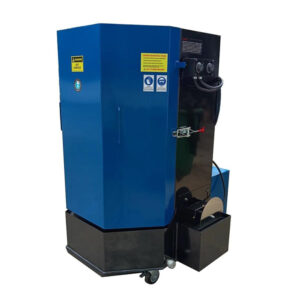
Atlas Automotive Equipment Spray Wash Cabinet
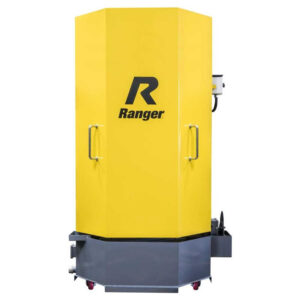
Atlas Automotive Equipment Spray Wash Cabinet The Atlas 500 Spray Wash Cabinet is the ideal parts washer for any automotive repair shop. The 1,000 lb. capacity turntable is strong enough for any size auto or light truck engine. The cut-away sides under the door allow you to wheel your engine crane r
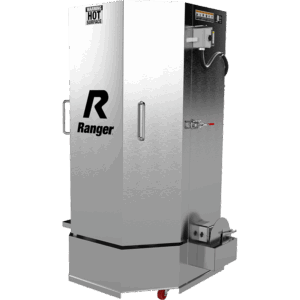
Ranger RS-750DS
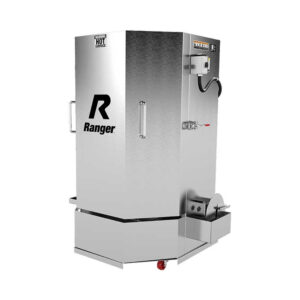
Ranger RS-750DS The incredible RS-750DS is made out of rust-free stainless-steel and has a 1,000 lb. weight capacity that can hold some of the biggest car, truck, and SUV parts on the market. This stainless steel 53-gallon capacity spray wash cabinet can rapidly degrease dirty parts, including large
Reviews
There are no reviews yet.