
Flo-Dynamics VacFill3+ Vacuum and Fill Coolant Service Machine
$3,835.00
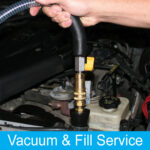
Flo-Dynamics VacFill3+ Vacuum and Fill Coolant Service Machine Fast, simple, easy, five minute service The VacFill 3 + is the quickest and most efficient way to perform a vacuum and fill coolant service. Simply remove the radiator cap, insert the cone adapter, (yes, it’s included!) and begin the suc
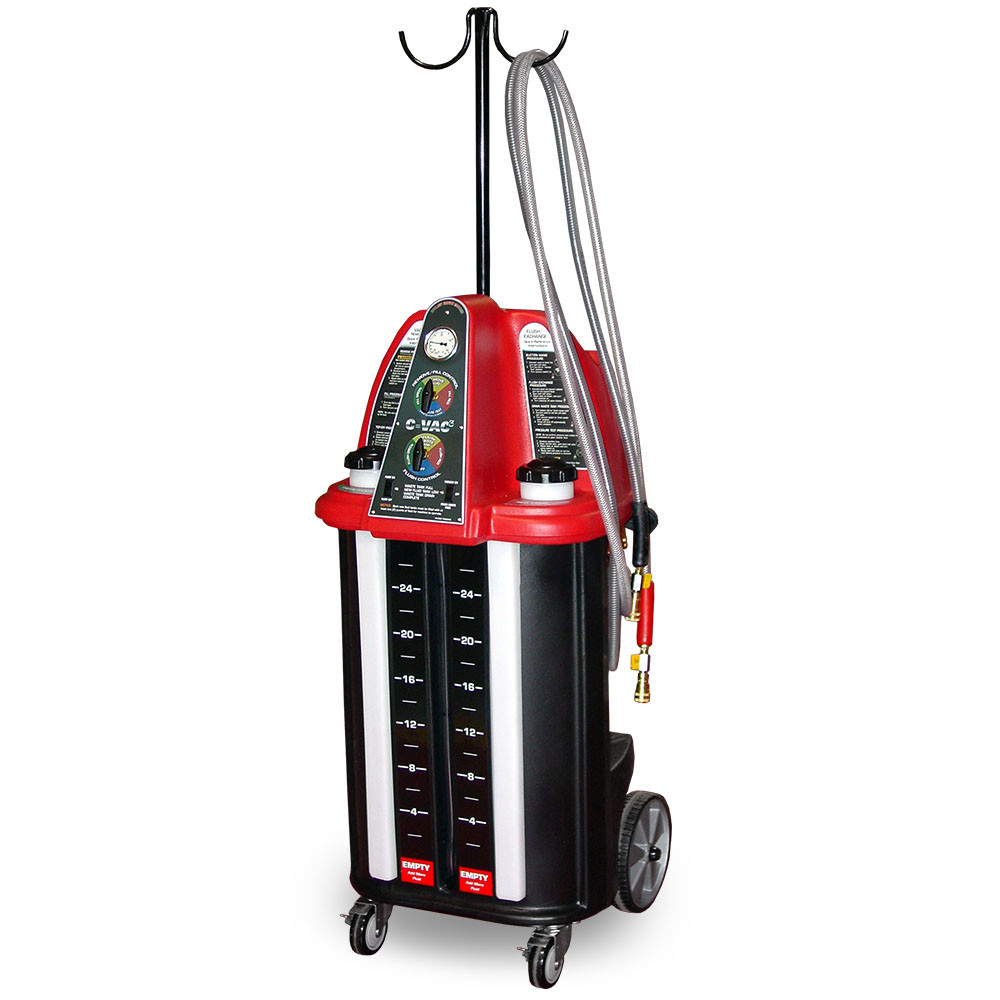
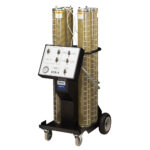
The Flo-Dynamics VacFill3+ is a vacuum and fill coolant service machine that connects to the radiator mouth, vacuums out unwanted air, and refills the cooling system cleanly. It runs on 12V DC and shop air, carries two 7-gallon new fluid tanks and an 8-gallon waste tank, and includes a top-off feature for finishing the job. Large, easy-to-read gauges, a small footprint, and two 10-inch rear wheels with locking front casters make the VacFill3+ easy to use and easy to move around the shop.
This guide covers the VacFill3+ specifications, how vacuum fill works, setup, maintenance, and common questions. If you want shop equipment that helps eliminate air pockets and speed up coolant service, the VacFill3+ is a smart addition.
Flo-Dynamics VacFill3 and Vacuum and Fill Coolant Service Machine
Features
Easily connects to radiator mouth
Vacuums out unwanted air
Easy to operate with large gauges
Recessed storage area
Small footprint
Easy to move with two 10” rear wheels, two locking front polyethylene casters and handle
Vacuum gauge
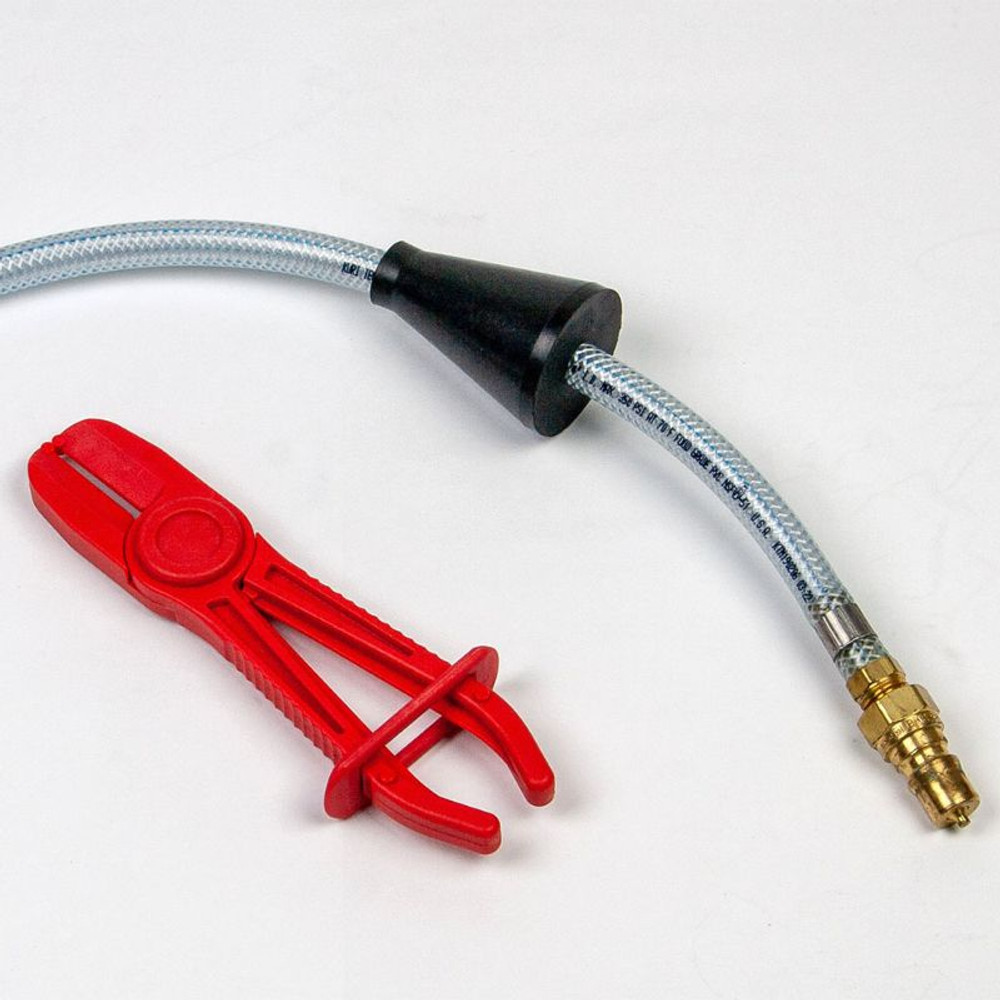
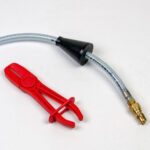
Includes hose clamps, universal cone adapter to fit any vehicle, and wand adapter
Includes “top off” feature
SPECIFICATIONS: VacFill3+
Dimensions: 48 1/2”H x 23”W x 27”D
Weight: 144 lb.
New Fluid Tank: (2) 7 gallons
Waste Fluid Tank: 8 gallons
Power: 12V DC and shop air
Flo-Dynamics VacFill3+ Specifications
- Dimensions: 48 1/2″ H x 23″ W x 27″ D
- Weight: 144 lbs.
- New fluid tanks: two 7-gallon tanks
- Waste fluid tank: 8 gallons
- Power: 12V DC and shop air
- Wheels: two 10-inch rear wheels and two locking front polyethylene casters
- Included: hose clamps, universal cone adapter, and wand adapter
VacFill3+ Features
- Easily connects to the radiator mouth
- Vacuums out unwanted air
- Easy to operate with large gauges
- Vacuum gauge
- Recessed storage area
- Small footprint
- Easy to move with two 10-inch rear wheels, two locking front casters, and a handle
- Includes hose clamps, a universal cone adapter to fit any vehicle, and a wand adapter
- Includes a top-off feature
What Is Vacuum Fill?
Modern cooling systems are complex, with long hose runs, heater cores, and high points where air can get trapped. Air pockets in a cooling system can cause hot spots, poor heater performance, false temperature readings, and even overheating. Bleeding air out by hand can take a long time, and some systems are very hard to bleed.
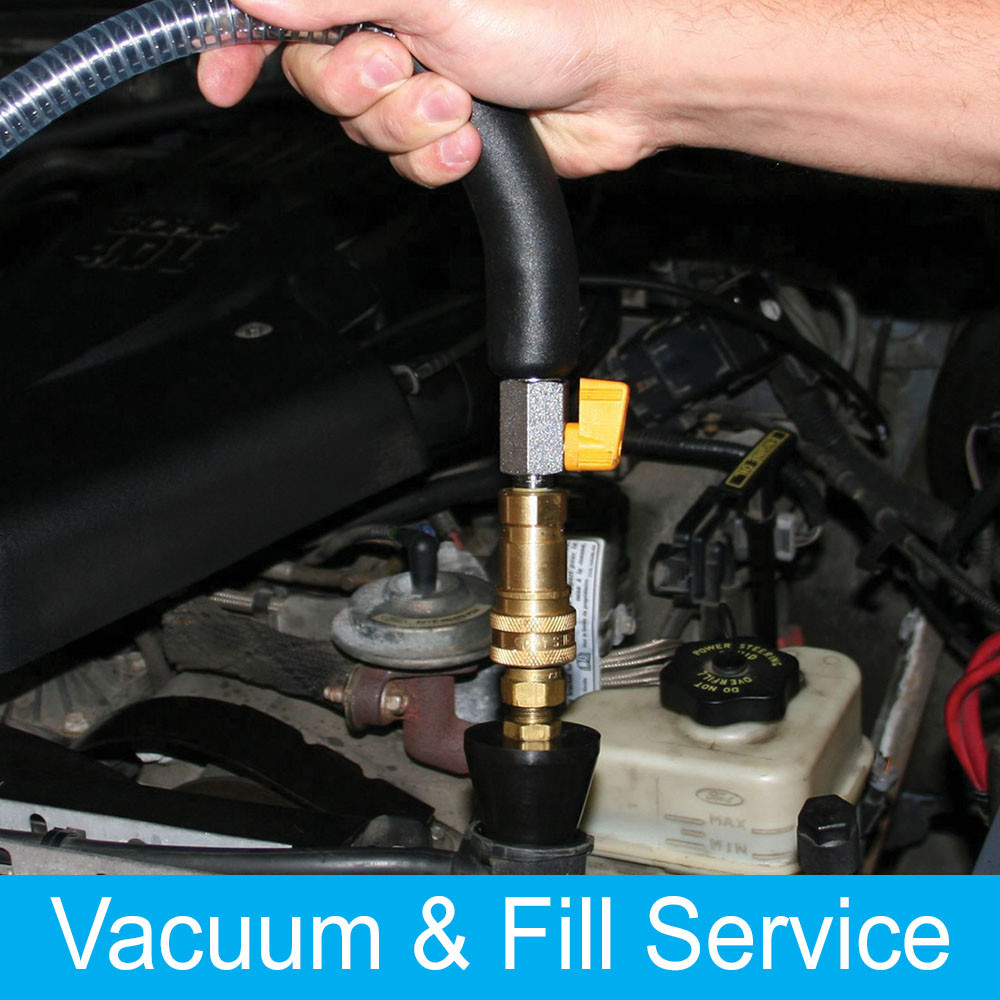
Vacuum fill solves that problem. A machine like the VacFill3+ connects to the radiator mouth and pulls a vacuum on the cooling system, removing the air. When the system is under vacuum, new coolant is drawn in to fill the space the air left behind. Because the air was removed first, the system fills more completely and with fewer air pockets.
Key Features Explained
Connects to the Radiator Mouth
The VacFill3+ easily connects to the radiator mouth. The universal cone adapter is designed to fit any vehicle, and the wand adapter and hose clamps help with different filler necks and setups.
Vacuums Out Unwanted Air
The core job of the VacFill3+ is removing air from the cooling system before it is filled. The vacuum gauge lets the technician see the vacuum level and confirm the system is ready to fill.
Two New Fluid Tanks and a Waste Tank
Two 7-gallon new fluid tanks let you keep two coolant types on the machine. An 8-gallon waste fluid tank collects old fluid.
Top-Off Feature
The top-off feature helps the technician finish the job by bringing the coolant to the proper level after the fill.
12V DC and Shop Air Power
The VacFill3+ uses 12V DC and shop air, so it works in any bay with an air line and a vehicle battery or 12V source.
Large Gauges and Simple Controls
Large, easy-to-read gauges make the machine simple to operate, even for technicians new to vacuum fill.
Mobile, Compact Design
Two 10-inch rear wheels, two locking front polyethylene casters, and a handle make the 144-lb. machine easy to move. Its small footprint and recessed storage area keep adapters close at hand without taking up much floor space.
Why Coolant Service Matters
Engine coolant does more than keep an engine from overheating. It also protects against freezing and helps prevent corrosion inside the radiator, water pump, heater core, and engine passages. Over time, coolant breaks down and loses its protective additives. Old coolant can lead to corrosion, scale, and overheating.
Vehicle makers recommend replacing coolant at set intervals. A coolant exchanger like the VacFill3+ replaces old coolant more completely than a simple drain and fill, because it moves fluid through the whole system rather than only draining what is in the radiator.
Setting Up the VacFill3+
Place the VacFill3+ near your service bays where an air drop is available. It stands 48 1/2 inches tall, 23 inches wide, and 27 inches deep. Fill the two 7-gallon new fluid tanks with the coolant types you use most, and label each tank. Make sure the 8-gallon waste tank is empty. Store the cone adapter, wand adapter, and hose clamps in the recessed storage area so they are always with the machine.
Connect shop air and the 12V DC power source according to the Flo-Dynamics instructions. Lock the front casters once the machine is in position next to the vehicle.


Step-by-Step: A Typical Vacuum Fill
- Let the engine cool before opening the cooling system.
- Drain or remove the old coolant as required by the service procedure.
- Choose the right adapter and connect the VacFill3+ to the radiator mouth.
- Connect shop air and 12V DC power.
- Pull a vacuum on the cooling system and watch the vacuum gauge.
- Hold vacuum briefly to make sure the system is sealed.
- Fill the system with new coolant from the correct new fluid tank.
- Use the top-off feature to bring the coolant to the proper level.
- Disconnect the machine and install the radiator or reservoir cap.
- Follow the vehicle maker’s procedure for final checks.
Safety Tips
- Wear gloves and eye protection when working with coolant.
- Let a hot engine cool before opening the cooling system.
- Keep coolant away from children and pets. It can be toxic if swallowed.
- Clean up spills right away to prevent slips.
- Store new and used coolant in labeled containers.
- Train all technicians on the machine before use.
For chemical handling and labeling rules, see the OSHA hazard communication standard.
Handling Used Coolant
Used engine coolant can contain heavy metals and other contaminants picked up from the engine. It should never be poured down a drain or onto the ground. Store used coolant in labeled, closed containers and recycle it or dispose of it through an approved service. The EPA hazardous waste generator guidance and your local rules explain how shops should manage automotive fluids.
VacFill3+ Maintenance Tips
- Empty the waste tank before it gets full.
- Rinse the new fluid tanks when changing coolant types.
- Inspect hoses and adapters for cracks or wear.
- Check fittings for air and fluid leaks.
- Use clean, dry air to protect the machine.
- Keep the gauges clean and readable.
- Check the wheels and casters so the machine rolls and locks properly.
Signs a Vehicle Needs Coolant Service
Technicians and service advisors can look for several signs that a cooling system needs attention:
- The vehicle has reached the coolant service interval in its maintenance schedule.
- The coolant looks rusty, cloudy, or contains debris.
- Test strips or a refractometer show weak freeze protection.
- The engine runs hotter than normal.
- The heater is not producing enough heat.
- There are signs of leaks, such as residue around hoses or the radiator.
Choosing the Right Coolant
Modern vehicles use several different coolant formulas, and mixing the wrong types can reduce protection. Always check the vehicle owner’s manual or service information for the correct coolant. When you change coolant types, rinse the new fluid tank, label it, and train technicians to confirm the match before every job.
If your shop is also expanding its service bays, our car lifts can help you add capacity.

Making Coolant Service Profitable
Coolant service is a routine maintenance item listed in most vehicle maintenance schedules. A fast, clean exchange makes it easy to offer during oil changes, inspections, and seasonal checkups. With fast, easy coolant changeover, the VacFill3+ lets you keep two coolant types on board in its two 7-gallon new fluid tanks. Train service advisors to check coolant condition and explain the benefits, and the machine can become a steady source of service revenue.

Keeping the Service Area Clean
Coolant spills are slippery and can be harmful to pets and wildlife. A closed exchange system like the VacFill3+ helps keep fluid off the floor. Keep absorbent pads and a drip pan handy for hose connections, and clean up any drips right away. Store the machine with the hoses coiled and the tanks capped so it is ready for the next job.
Why Removing Air Matters
Trapped air is one of the most common causes of problems after a coolant service. An air pocket near the thermostat or temperature sensor can cause erratic gauge readings. Air in the heater core can leave the customer with little or no cabin heat. Large air pockets can lead to overheating and even engine damage. Many modern vehicles have complicated bleeding procedures because their cooling systems have high points that trap air.
The VacFill3+ removes air before the system is filled. That means the coolant flows into the space where the air used to be, leaving fewer pockets behind. Technicians spend less time bleeding the system, and customers get a more reliable result.
Vacuum Fill as a Leak Check
Pulling a vacuum on a cooling system also gives the technician useful information. If the system holds vacuum, it is likely sealed. If the vacuum gauge shows the vacuum dropping, there may be a leak at a hose, clamp, radiator, or water pump. Finding that leak before refilling saves coolant and helps avoid comebacks. Always follow the machine instructions and vehicle service information when interpreting vacuum readings.
Who Should Buy the Flo-Dynamics VacFill3+?
- General auto repair shops
- Dealership service departments
- Quick-lube centers that offer coolant service
- Fleet maintenance garages
- Shops that do radiator, water pump, and hose repairs
- Technicians who want faster, air-free refills
If your shop is adding bays, our car lifts can help increase capacity.
Using the VacFill3+ After Repairs
Vacuum fill is especially useful after cooling system repairs. When a technician replaces a radiator, water pump, thermostat, heater core, or hoses, the system is drained and full of air. Refilling it by gravity and bleeding it by hand can take a long time. With the VacFill3+, the technician can pull a vacuum, check for leaks, and refill in one process. That speeds up the repair and helps the vehicle leave the shop with a properly filled system.

Training Technicians on the VacFill3+
The large gauges and simple controls make the VacFill3+ easy to learn. Still, walk every technician through the process before use. Cover adapter selection, connecting air and 12V power, reading the vacuum gauge, filling, topping off, and emptying the waste tank. Keep the instructions with the machine and post a short checklist nearby.

Planning Fluid Service in Your Shop
Many shops group fluid services in one area, with oil, coolant, transmission, and brake fluid equipment close together. Placing the VacFill3+ next to your other fluid machines makes it easy for technicians to offer several services on the same visit. Plan storage for new coolant and used coolant drums close to the machine.
Coolant Exchange vs. Drain and Fill
A basic drain and fill only removes the coolant that drains out of the radiator. A large share of the old coolant stays in the engine block, heater core, and hoses, where it mixes with the new fluid. The result is diluted coolant that may not give full protection.
An exchange machine like the VacFill3+ moves fluid through the whole cooling system. Old coolant is pulled out while new coolant goes in, so more of the old fluid is replaced. Customers get better protection, and the shop gets a faster, cleaner process with less mess on the floor.
Getting the Most From Your VacFill3+
Keep the two new fluid tanks filled and labeled so technicians are always ready for the next job. Empty the waste tank at the end of the day. Keep the adapters in the recessed storage area so nothing goes missing. Check hoses, clamps, and fittings each week, and keep the gauges clean. Track how many coolant services and cooling system repairs you complete each month to see how much time vacuum fill saves your team.
Before you order, confirm that you have a reliable air supply at the bays where the machine will be used and a convenient 12V source. A little planning makes the first job on the VacFill3+ quick and easy.
Vacuum Fill vs. Gravity Fill
With a gravity fill, the technician pours coolant into the radiator or reservoir and waits for it to work its way through the system. Air has to escape on its own or through bleeder valves, which can take many engine run cycles. Some systems need special tools or ramps to get all the air out.
Vacuum fill with the VacFill3+ removes the air first, then lets the vacuum pull coolant into the system. The fill is faster and more complete, with less time spent running the engine and checking for air. For shops that do a lot of cooling system work, that time savings adds up quickly.
Built for Daily Shop Use
The VacFill3+ is built to move from bay to bay every day. Its 10-inch rear wheels roll over shop floors easily, and the locking front casters hold it steady while you work. The recessed storage area keeps adapters and clamps organized, and the small footprint lets it fit in tight spaces between lifts and benches.
Frequently Asked Questions About the VacFill3+
What does the VacFill3+ do?
It connects to the radiator mouth, vacuums out unwanted air, and fills the cooling system with new coolant.
How is it powered?
It uses 12V DC and shop air.
How big are the tanks?
It has two 7-gallon new fluid tanks and one 8-gallon waste fluid tank.
What adapters are included?
It includes hose clamps, a universal cone adapter designed to fit any vehicle, and a wand adapter.
Does it have a top-off feature?
Yes. The VacFill3+ includes a top-off feature.
How big is it?
It measures 48 1/2 inches high, 23 inches wide, and 27 inches deep.
How much does it weigh?
It weighs 144 lbs.
Is it easy to move?
Yes. It has two 10-inch rear wheels, two locking front polyethylene casters, and a handle.
Order the Flo-Dynamics VacFill3+ Today
The Flo-Dynamics VacFill3+ vacuum and fill coolant service machine removes air from cooling systems, refills them cleanly, and tops them off, all in a compact, mobile design. With two new fluid tanks, an 8-gallon waste tank, and 12V DC and shop air power, it is ready for daily coolant service. Contact Ironside Garage with questions, and browse our full range of shop equipment.
Related products
Atlas Automotive Equipment Spray Wash Cabinet
Atlas Automotive Equipment Spray Wash Cabinet The Atlas 500 Spray Wash Cabinet is the ideal parts washer for any automotive repair shop. The 1,000 lb. capacity turntable is strong enough for any size auto or light truck engine. The cut-away sides under the door allow you to wheel your engine crane r
Atlas SBC1200 X-Large Sandblast Cabinet
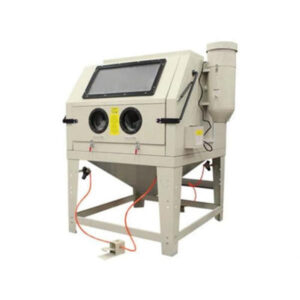
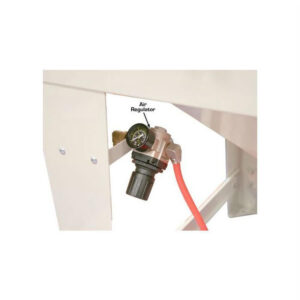
Atlas SBC1200 X-Large Sandblast Cabinet with Dual Doors & Vacuum The Atlas SBC1200 sandblast cabinet takes many of the already great features of the Atlas® SBC990 blasting cabinet and doubles them. The SBC1200 sandblast cabinet has two, front and rear, extra large top open loading doors and features
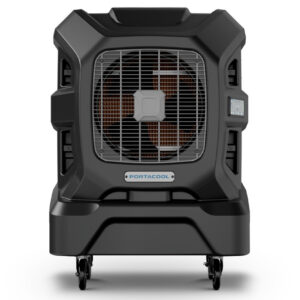
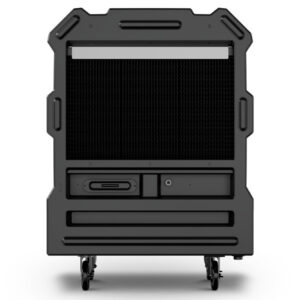
Portacool Apex 1200 Wi-Fi Enabled High Velocity Portable Evaporative Cooler for 1200 sq ft
Portacool Apex 1200 Wi-Fi Enabled High Velocity Portable Evaporative Cooler for 1200 sq ft Meet the Portacool APEX™ 1200—a game-changer for mid-sized spaces demanding serious cooling. Delivering a powerful 4,000 CFMs of airflow that spans up to 40 ft., this unit ensures consistent comfort across 1,2
Reviews
There are no reviews yet.